lab / case_study_03 · a working studio

I built a video studio in code. Then I let it run a channel.

The MOSA Video Engine is a production company that lives in one codebase: a crew of twenty-five AI roles, forty-two templates, and a stack of model APIs, directed by one art director. Its first real test was Earthrove, a wildlife documentary channel. In thirty-five days it shipped six nine-minute films and six Shorts, with fourteen more Shorts finished and waiting. This is how it works, what it did, and what broke.
▶ Watch the channel ↗ Build an engine for your team

David Anchondo · October 12, 2026 · about 8 minutes

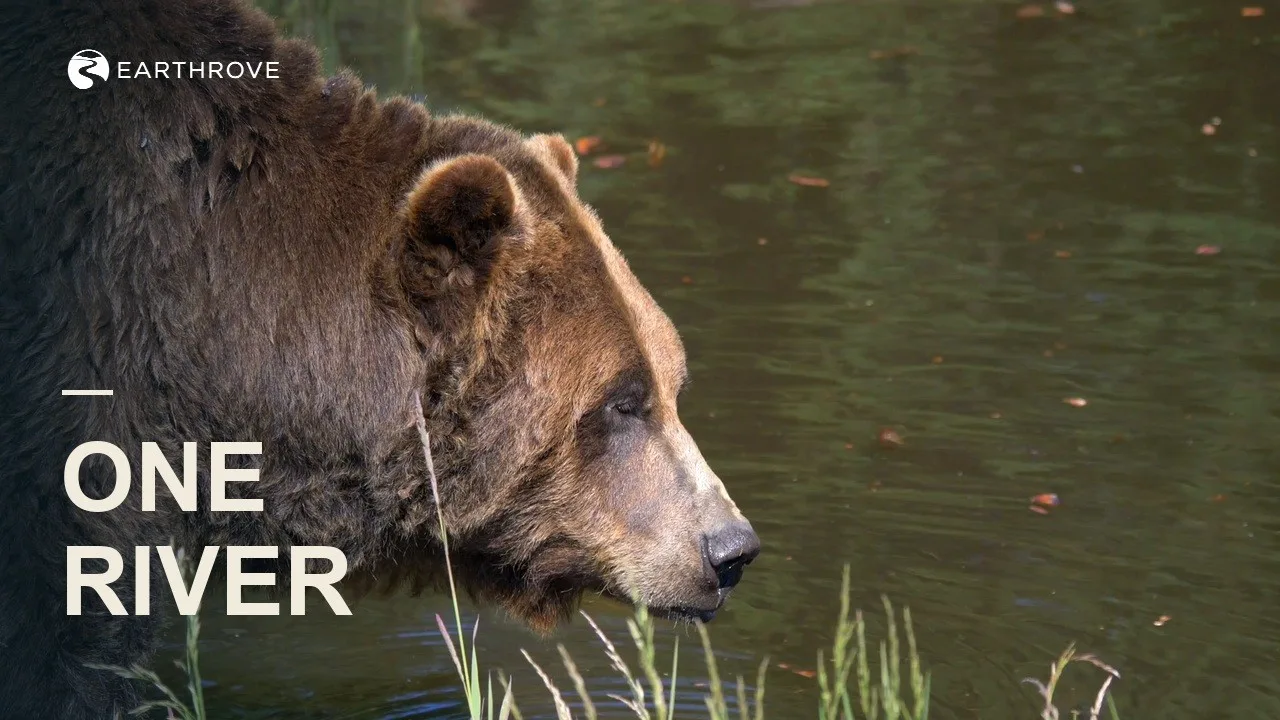
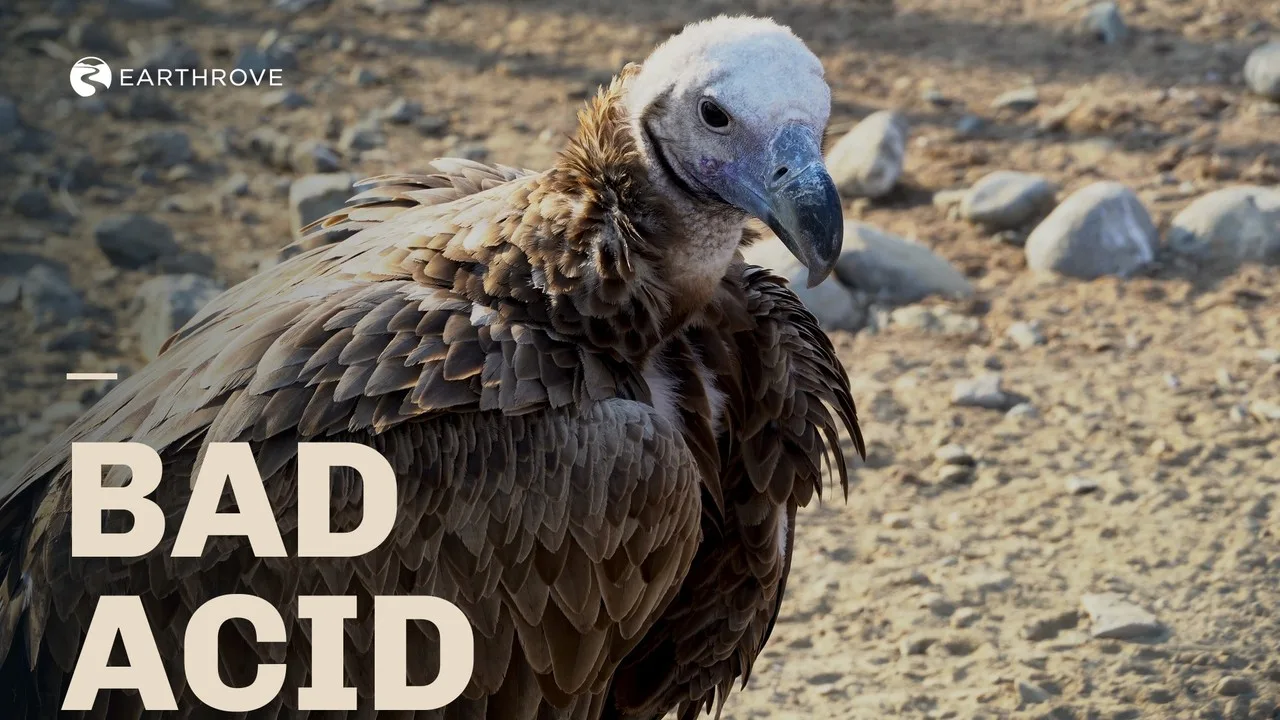
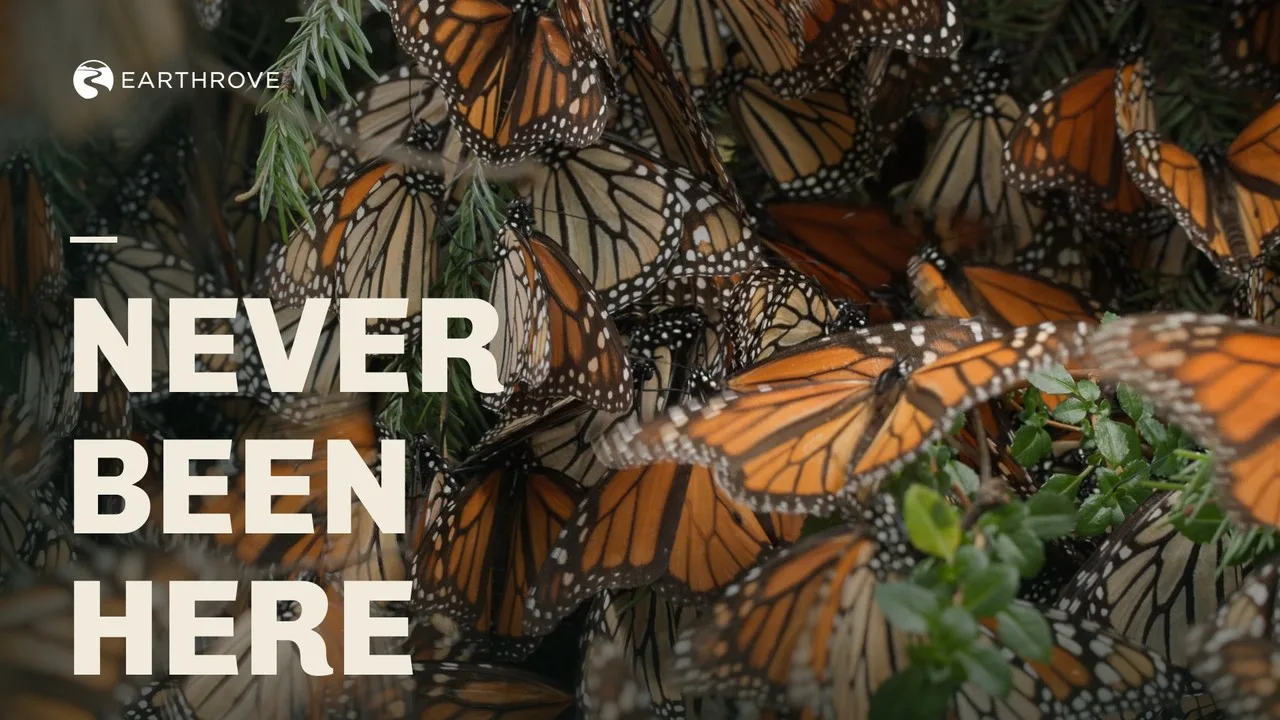
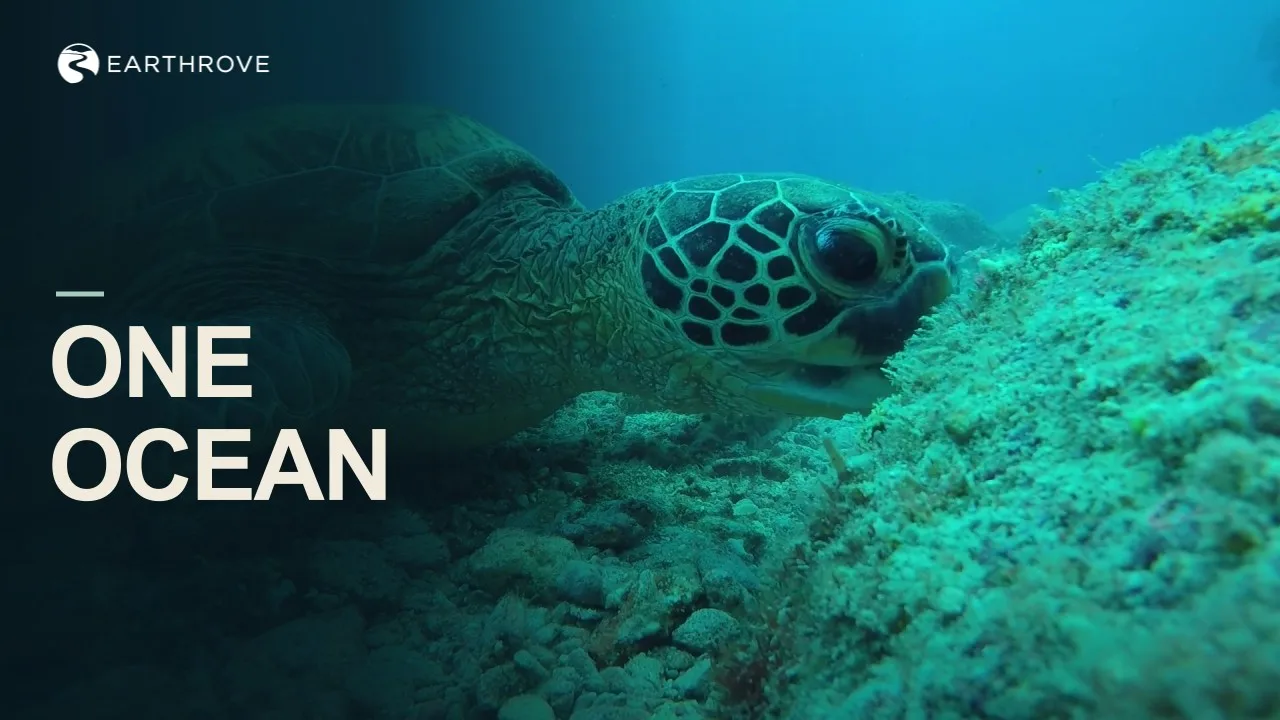
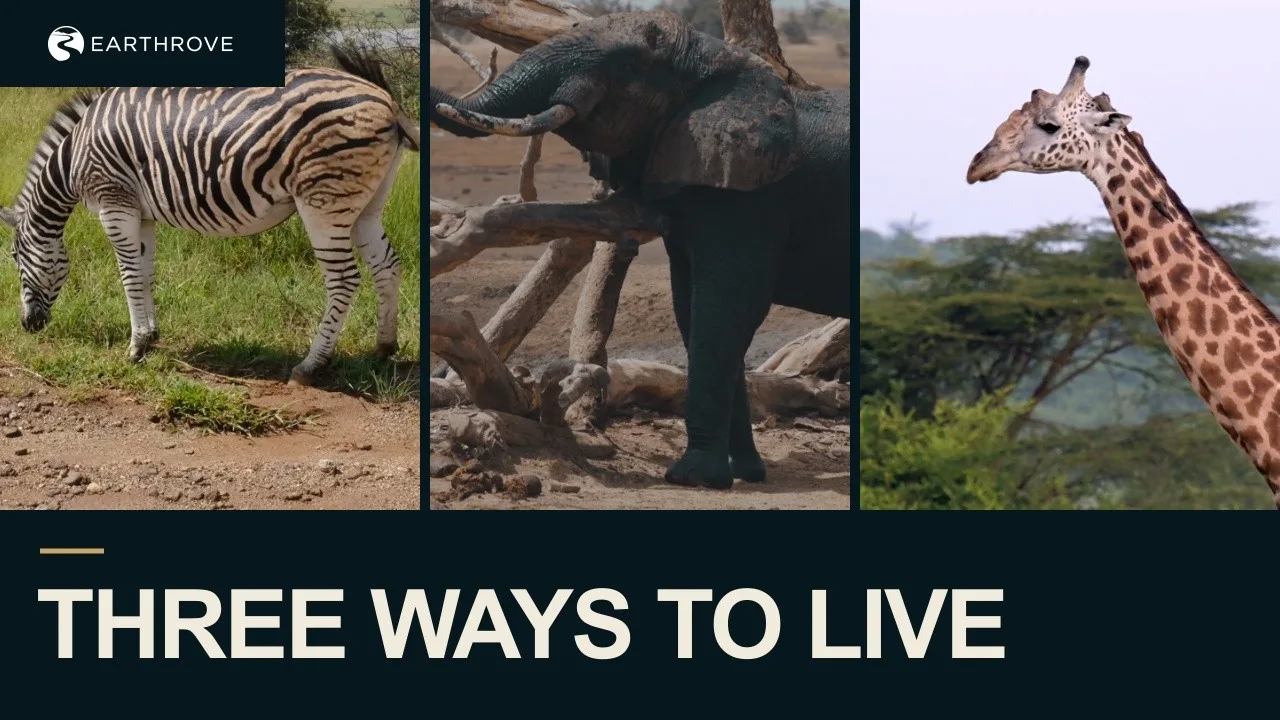
Earthrove thumbnail: One Ocean, a sea turtle over a reef Earthrove thumbnail: Three Ways to Live, zebra, elephant and giraffe Earthrove thumbnail: One River, a brown bear in a salmon river Earthrove thumbnail: Bad Acid, a vulture Earthrove thumbnail: Never Been Here, monarch butterflies in a forest

The first five Earthrove films, as their live thumbnails. Each is about nine minutes. All five were made by the engine.

90
Days since the engine was born
25
Named AI roles in the crew
60+
Compositions built on it
12
Releases in 35 days
№ 01 · The problemone art director

A documentary needs a dozen people. I had one.

A real wildlife film takes a researcher, a science editor, a writer, a narrator, a composer, a footage producer, a motion designer, an editor, a colorist, a sound mixer, a thumbnail designer and someone to publish it. Most "AI video" skips most of those jobs, and it shows.

I didn't want a faster way to make worse videos. I wanted the whole studio. So I built each of those jobs as a seat in a system: a written brief, a set of tools, and a quality gate it has to pass. Then I kept the calls that need taste for myself.

The engine started on July 14, 2026 as one folder. It has been the video department for everything I make ever since: client product films, a cinematic main title, broadcast spots, music videos, and the channel this page is about.

№ 02 · The engineseven layers · one codebase

Every video is code. Every rule is written down.

It's built on Remotion, which renders video from React. That means a film is a program: it can be versioned, reskinned and reused. Change one brand file and every template in the engine takes on a new palette.

DirectionMe. I pick the topic, approve the script, review the cut and press publish. Generation budgets wait for my go.
The crew25 named roles, each with a written brief: a creative director, an art director, a motion specialist, an editor, a colorist, a beat editor, a captions specialist, a QA skeptic who can reject work, and a nine-seat title unit. Earthrove adds an eight-role writers room and a six-role research bench.
The editing brainThe cut is written as data: a list of shots with their source, timing, camera move and grade. Durations come from measured narration, not guesses, so sections size themselves to the voice.
The motion library24 modules: kinetic type, camera moves, impacts, masks, charts, particles, 17 transitions and 9 color grades.
Templates42 templates and 60+ compositions, from a nine-minute documentary to a lip-synced character rig. One brand file reskins all of them.
Pipelines57 scripts for voice with word timing, music, stock search and licensing, AI image and video jobs, loudness mastering and the preflight checks.
Models and APIsMagnific, Kie, ElevenLabs, Suno, Pexels and Pixabay, plus Unreal, Blender and After Effects driven by script. More on this below.
№ 03 · The stackorchestration, not a single model

Every model is a tool. The engine is the hand.

No single AI model makes a film. The engine calls each one for what it does best, checks the price first, and logs where every asset came from.

Footage · motion

Magnific

4K stock video through the API, every download logged with its license and provenance. Image-to-video for illustrated title slates. Cost simulated before anything is spent.

Video · images · music

Kie

Seedance 2.5 video with a strict JSON prompt dialect, Nano Banana stills, and Suno V6 scores at 12 credits a track.

Voice

ElevenLabs

Narration with word-level timestamps, so captions never drift. Every take is transcribed back and diffed against the script before it's used.

Free first

Pexels · Pixabay

Free stock is always searched first, and archives like NPS, USFWS and Wikimedia Commons are searched before anything paid.

Zero credits

Code

Diagrams and mechanisms drawn in three.js, WebGL and canvas. From the monarch film on, the explanatory animation costs nothing to make.

3D · finishing

Unreal · Blender · AE

Unreal Motion Design for promos, Blender for grading, and After Effects driven through MCP: one 30-second ad was built 121 layers deep by script.

The rule that keeps it affordable is a ladder: code first, then archive, then free stock, then local 3D, then AI stills, then AI motion. The beaver film used 37 stock masters at zero credits; its 3D beaver cost 135 credits and its score 36. When an upscale was quoted at 36,297 credits, the engine took a rule from it: never upscale a whole sequence, render at the target size.

№ 04 · The pipelineeleven stages · three are mine

From a question to a published film.

  1. TopicThree to five candidate questions, compared on gaps, demand and whether real footage exists. If coverage fails, pick another animal.
    David decides
  2. Research benchSix roles, from a science editor to a falsification reviewer. Only primary or authoritative sources can be narrated. 298 claims were checked across four films.
    Automated
  3. ScriptWritten for the ear, then checked sentence by sentence against the claim ledger a second time.
    David approves
  4. VoiceElevenLabs narration. Every take is transcribed back and compared to the script; the bears and vultures films matched 10 of 10.
    Automated
  5. ScoreThree Suno cues per film, mixed about 9 dB under the voice.
    Automated
  6. FootageStock first, every clip checked by eye for AI fakes, captive animals and the wrong species, then logged with its license.
    Checked by hand
  7. AnimationCode-drawn diagrams for anything the footage can't show, labeled "conceptual, not to scale."
    Automated
  8. EditThe timeline is generated from the narration's word timing, with cuts on sentence starts and a guard against frozen frames.
    Reviewed by David
  9. QAExact frame count, black-frame scan, audio sync by cross-correlation (0 ms on the beaver master), loudness to −14 LUFS.
    Automated
  10. PackagingThree title and thumbnail pairs drawn from the film's sourced surprises, chapters as questions, an A/B test plan.
    Automated
  11. PublishThe engine fills every field in YouTube Studio. I press publish.
    David decides
▶ Watch a film the engine made

Five Ways to Live in the Ocean · 9:00 · Earthrove's best-retaining film so far (41.7% average viewed). Loads from YouTube only when you press play.

№ 05 · The proofYouTube Studio · lifetime to Oct 11, 2026

Thirty-five days, in the channel's own numbers.

6,923views
92.4watch hours
24.5Kimpressions
+45subscribers

For scale: five days after launch, on September 13, the channel had 26 views and 1 subscriber.

84% of impressions came from YouTube recommending the videos to people who weren't looking for them. The Shorts carry the reach, with two thirds of all views. One of them, on the mantis shrimp's punch, is watched to 89% of its length on average. And this is a living-room channel: 60% of all watch time happens on a television.

Why Is Wombat Poop Cube-Shaped?Short2,009
One Mantis Shrimp Punch Can Hit TwiceShort1,291
One Landscape, Three Ways to LiveFilm1,052
How Scientists Tested a Mantis's 3D VisionShort667
Five Ways to Live in the OceanFilm571
The Spring Hidden in a Chameleon's TongueShort559
Why Do Bears Fish?Film328
Why Don't Vultures Get Sick?Film313

Shorts Long films · Lifetime views, top eight titles. The monarch and beaver films are under two weeks old.

Read honestly: 10.8% of views came from YouTube advertising, and 99.7% of the audience is new. The channel finds viewers; it doesn't bring them back yet. Source: YouTube Studio analytics for @earthrove, Sep 7 – Oct 11, 2026, read October 12.

№ 06 · What broke66 dated lessons in 90 days

Every failure became a rule.

The engine keeps a log of everything that went wrong, dated, with the fix. It reads that log before every job. These are the ones that taught it the most.

A stock filter said "not AI." Three bear clips were AI.I caught the first on playback. Now no filter clears a clip: every one is checked frame by frame, by eye.
Nine clips labeled "beaver" were coypu.Species became a gate. So did captive animals: the wolf film was parked because the only stock came from a safari park.
A video model played everything in slow motion.One phrase in the prompt asked for "slow-motion weight." The model obeyed. Prompts are now linted for words that slow motion down before they're sent.
Animations froze for 197 seconds while the voice kept going.The timeline builder now refuses any freeze longer than half a second.
The audio landed 43 milliseconds late.Measured by cross-correlation. Picture and mix now render separately and are synced to zero.
A 3D render wrote black frames and still reported success.Every 3D render is now sampled once a second for black before it ships.

The research bench earns its seats too. It caught a 2014 paper that had been retracted before it reached the bear script, and a salmon figure that came from the wrong species.

№ 07 · What's nextthe system tests its own packaging

Reach is solved first. Retention is next.

Viewers drop at about two minutes, where the first chapter ends, and almost nobody comes back for a second film yet. So the next builds are structural: chapters that open on a new question, films commissioned as a series, and end screens that hand you the next one.

Packaging is already in test. Click-through was 5.4% on the first films and is 3.3% across the channel's lifetime, so the engine designed challenger thumbnails for all five films from one rule set (a real frame, four words at most, one highlight color, legible at 168 pixels) and started YouTube A/B tests on October 2.
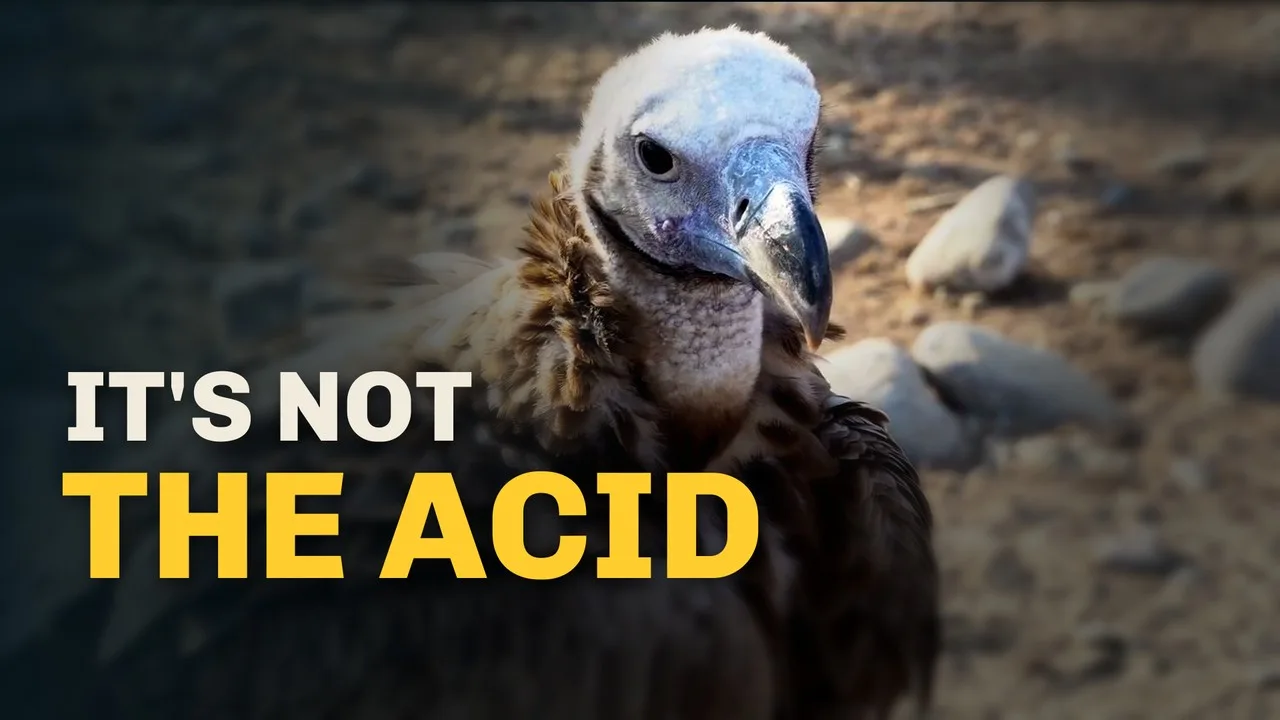
Vultures film thumbnail, the live version
Vultures · A, live
Vultures film thumbnail, challenger B
Vultures · B, challenger

The channel is the proof. The engine is the offer.

Earthrove isn't the business. It's a stress test. If one art director can run a documentary channel this way, with research, voice, score, edit, QA and packaging, then your team can run its campaigns, product films and social pipeline this way too. It runs on your brand, your gates and your calls, with a system that remembers every mistake so you only make it once.

Production notes: Earthrove's narration uses ElevenLabs voices and its scores are generated with Suno. Illustrated sequences use AI image and animation tools and are labeled as illustration. The earliest channel setup and production work, September 7 to 12, ran with OpenAI Codex as the AI partner; the engine and everything after ran with MOSA, my AI studio partner. Metrics are from YouTube Studio as of October 11, 2026.